




Walter Gauks: trust, cohesion and mutual respect
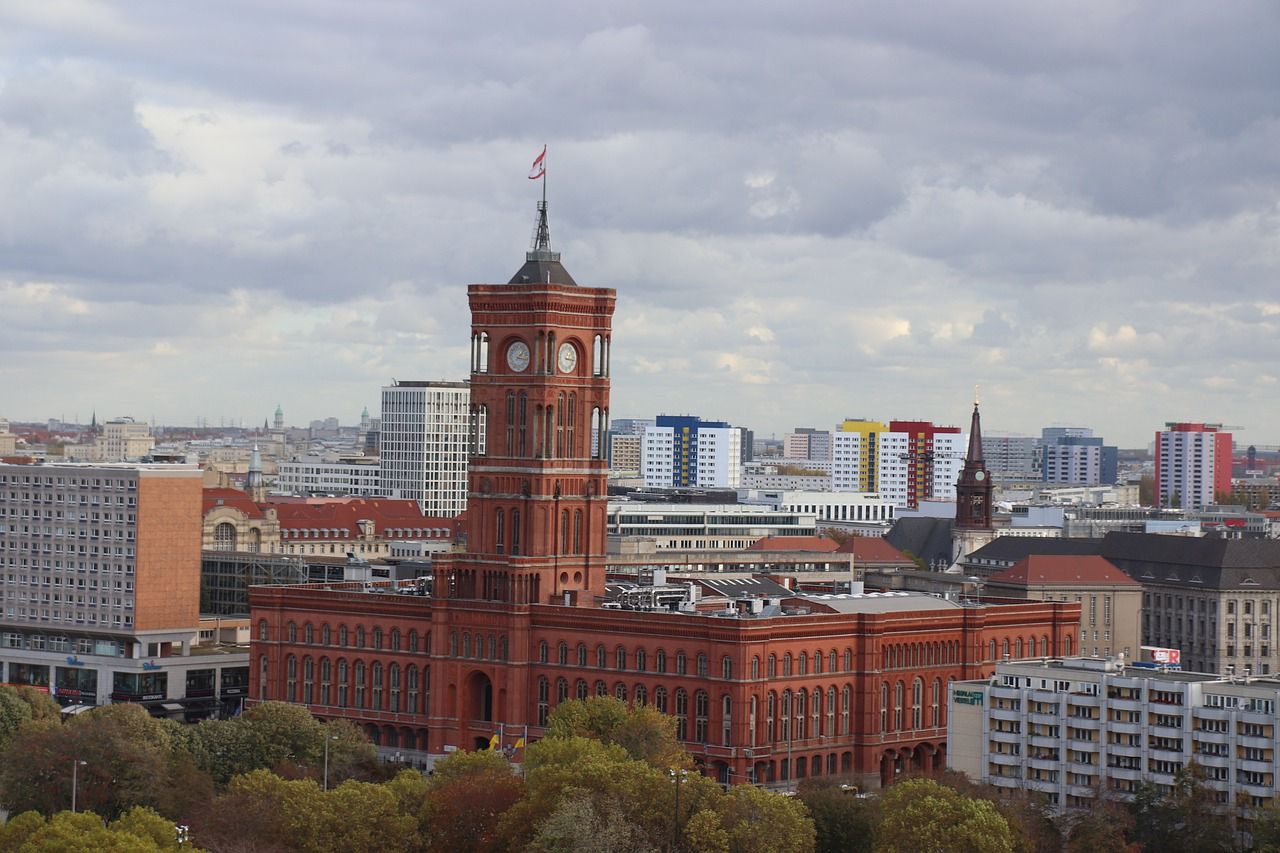
In December 2023 the Berlin Senate established a new position: «Commissioner of the Berlin Senate for the Affairs of Russian Germans, Late Repatriates and Forcibly Displaced Persons». In terms of its substantive purpose, this event was emblematic. The need for such a position had been discussed for many years within the Berlin Senate, its structural departments, and at various specialist events devoted to the issues of Russian Germans, late repatriates and displaced persons. Debates on this issue took place across different legislative periods and in different Senate compositions.
Ultimately, the relevant provision was clearly and unequivocally reflected in the well-known «Coalition Agreement of the Christian Democratic Union (CDU) and the Social Democratic Party (SPD) in Berlin for the 2023–2026 period». There, in fact, a much-needed systemic measure to support the mentioned population groups was plainly realized in practice. Moreover, it was intended to finally dispel false notions and unfounded prejudices that, until now, have prevented the recognition of the distinctly significant role of Russian Germans and late repatriates in the social, political and cultural life of German society.
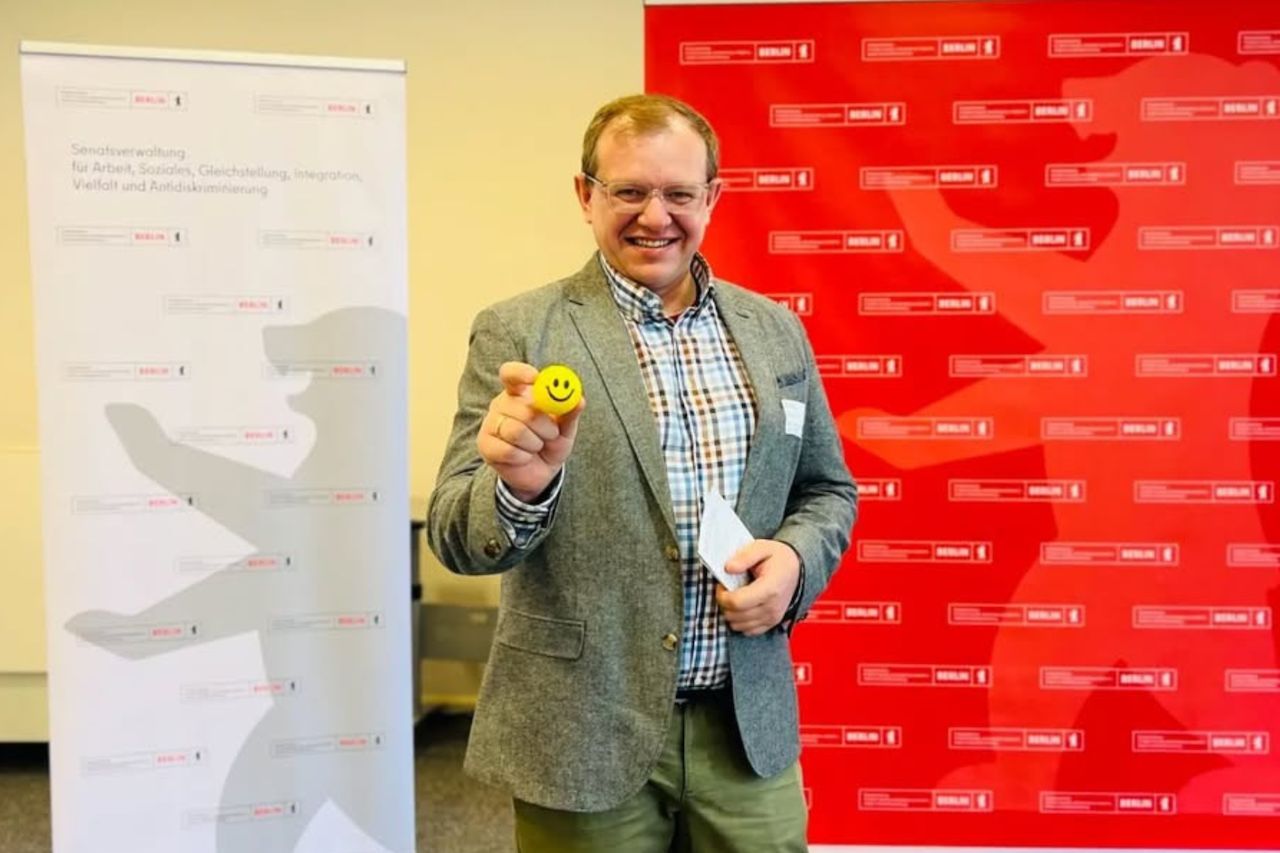
In January 2024 the Berlin Senate officially announced the appointment to the mentioned post of a Russian German, born in Kazakhstan, a prominent public figure, initiator and organizer of numerous large-scale social and educational actions, a substantial number of practical educational events and integration projects of various levels — Walter Gauks.
According to established procedural protocols, his candidacy successfully passed all stages of review, discussion and agreement. Approval was obtained from all relevant structural units and commissions of the Berlin Senate. We present fragments of another conversation with W. Gauks.
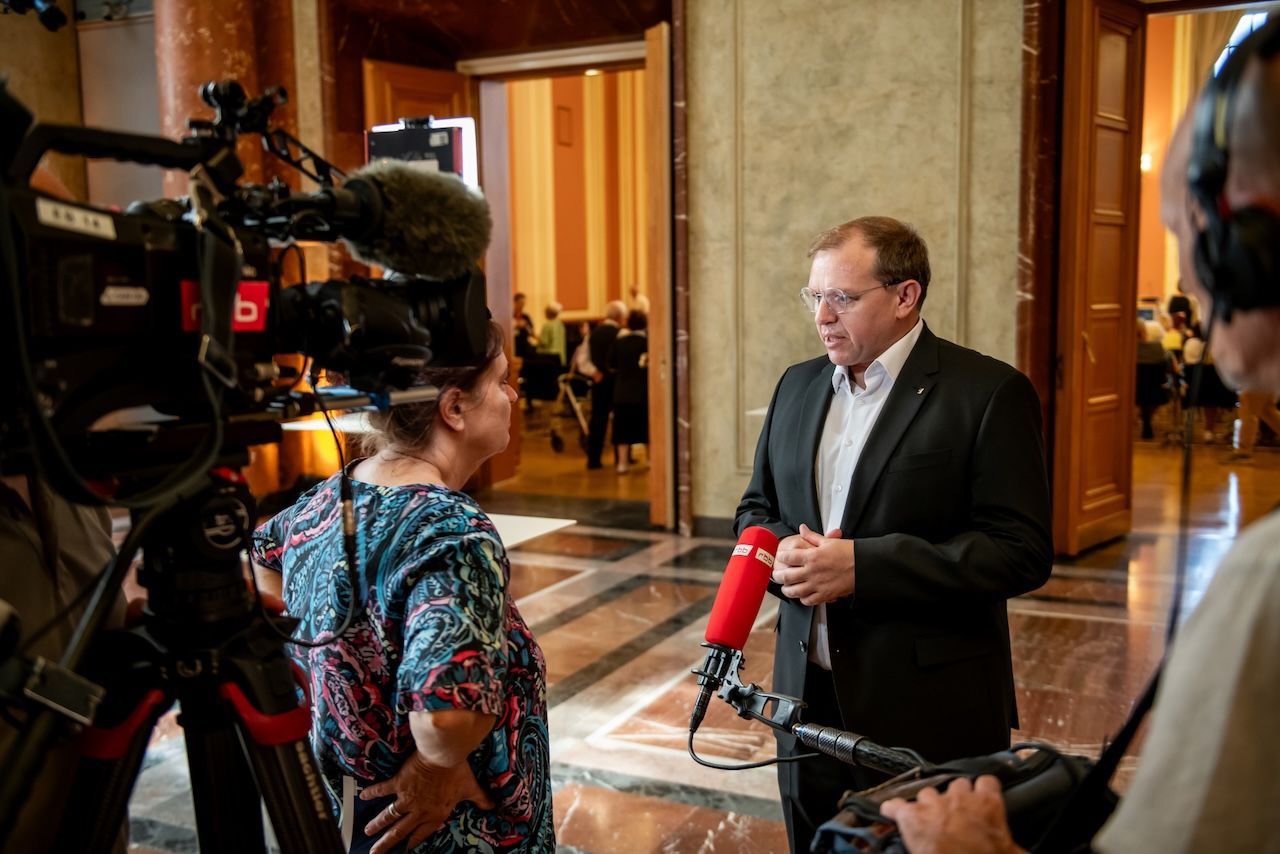
BERLIN24: Due to objective circumstances we were unable to hold the interview planned for the end of December 2025 to review your work over the past year. And now the opportunity has arisen…
W. Gauks: Besser spät nie
– "Better late than never" (laughs).
BERLIN24: Exactly. How would you characterize 2025 in substantive terms from the position of the «Commissioner of the Berlin Senate for the Affairs of Russian Germans, Late Repatriates and Forcibly Displaced Persons»?
W. Gauks: As it seems to me, it was marked by a scrupulous and objective, yet extremely important, analysis of the state of affairs in this area. And also by a careful and comprehensive development of conceptual approaches to solving concrete problems concerning Russian Germans, late repatriates and forcibly displaced persons, alongside the partial or full implementation of activities and initiatives in this realm. This, of course, was carried out taking into account existing objective possibilities and available resources. The choice of solutions for existing difficulties was based on already formed understandings and systematic approaches…
BERLIN24: Presumably, significant effort and additional work were required? After all, this function in the Berlin Senate was created for the first time.
W. Gauks: Not without that. I want to emphasize that this is a very complex, multi-level, comprehensive process. Therefore, taking this opportunity, I express my deepest gratitude to all my like-minded colleagues and supporters for their support and participation in addressing the problems of our citizens. I would like to thank separately the members of the Berlin Senate, the relevant departments and my colleagues for the trust placed in me, the practical assistance, valuable advice and recommendations. My special thanks go to Mr. Kai Wegner, the Governing Mayor of Berlin, and to Ms. Cansel Kiziltepe, Berlin Senator for Labour, Social Affairs, Equality, Integration, Diversity and Anti-Discrimination. Their substantive support, based on mutual respect and a desire to jointly find solutions to arising tasks, is constantly felt in practice. I am convinced that any achievements are possible only through joint efforts at all levels.
BERLIN24: You have repeatedly pointed out that the categories of population mentioned in Germany, and in Berlin in particular, differ in the historical background of their emergence, but share a number of common traits in contemporary Germany. Please explain.
W. Gauks: Indeed — they differ in the specific historical circumstances of their formation: under the direct influence of economics, politics, culture and general migration processes, which has left an indelible mark on the social and cultural «landscape» of their destinies. This, incidentally, is important to consider as one of the key prerequisites for understanding their contemporary situation…
BERLIN24: Presumably, this was reflected in the aforementioned analysis?
W. Gauks: Very directly. The comprehensive analysis we conducted convincingly indicates the presence of common, regrettably, «problem areas» among these population groups. The most significant and indicative are aspects of legal and social recognition, equality of opportunity, fair access to the labour market and the provision of essential needs in old age.
These circumstances significantly limit their full participation in the social life of German society and impede the effective use of their considerable potential for the benefit of the entire community. At present, addressing these problem areas is one of the priority tasks within the scope of my official competence.
BERLIN24: And what is the internal "core" of such work?
W. Gauks: A matter of principle. A bit more detail here. In my understanding, the essence of such activity lies in direct, open dialogue with people, in prompt response to their pressing difficulties and episodically arising problems. The forms and methods of such interaction can be very diverse. Understanding people's emotional states, their requests and pain points significantly contributes to defining common goals, which in turn promotes rapprochement and social consolidation. Moreover, it simplifies finding solutions to many everyday tasks.
I want to emphasize the following: to resolve each specific life problem faced by citizens in need, it is often necessary to carefully assess the situation and have a reliably tested strategy for its resolution. Based on building a relationship of trust and respect with them. At the same time, the whole process should be characterized by simplicity and clarity, so that it is accessible to understanding by the citizens for whom these measures are undertaken.
BERLIN24: How successful is this comprehensive approach in addressing the tasks you mentioned?
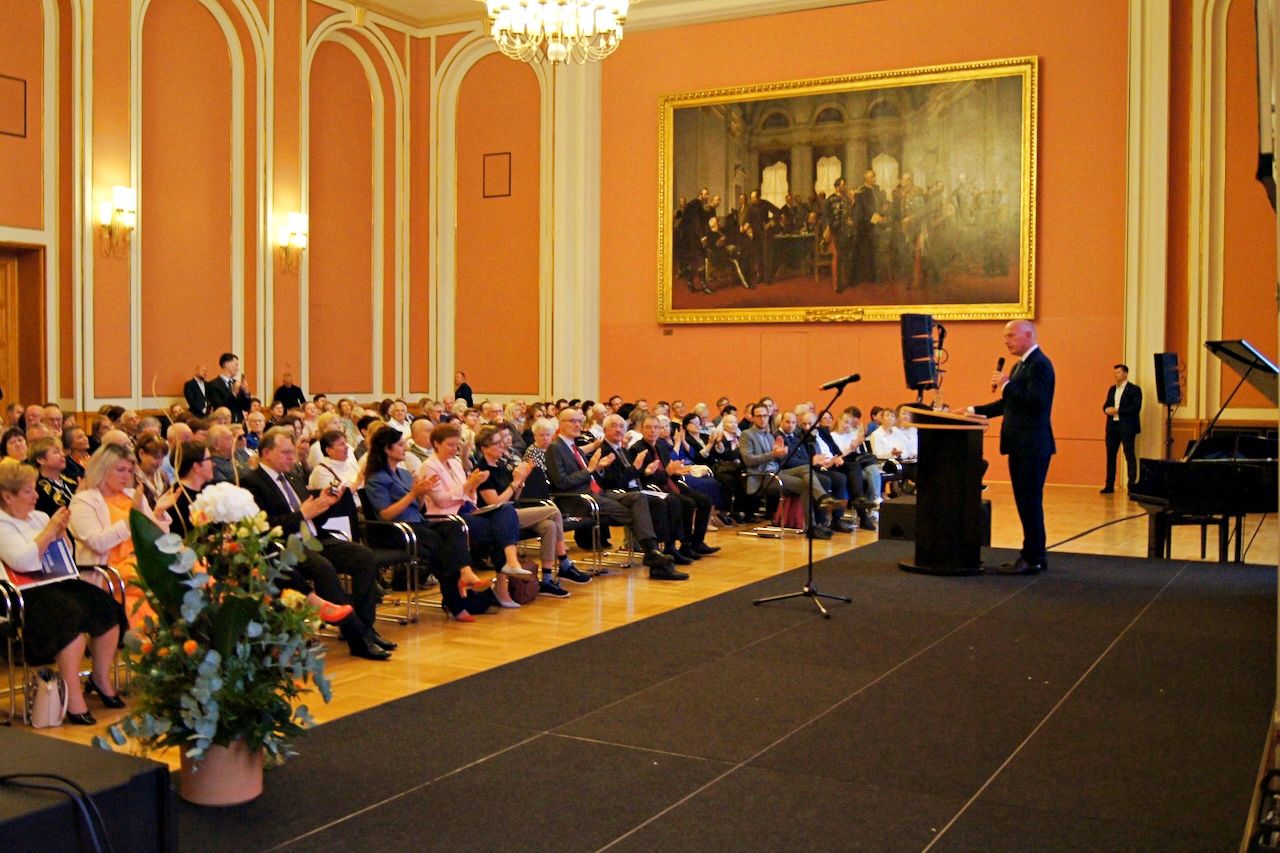
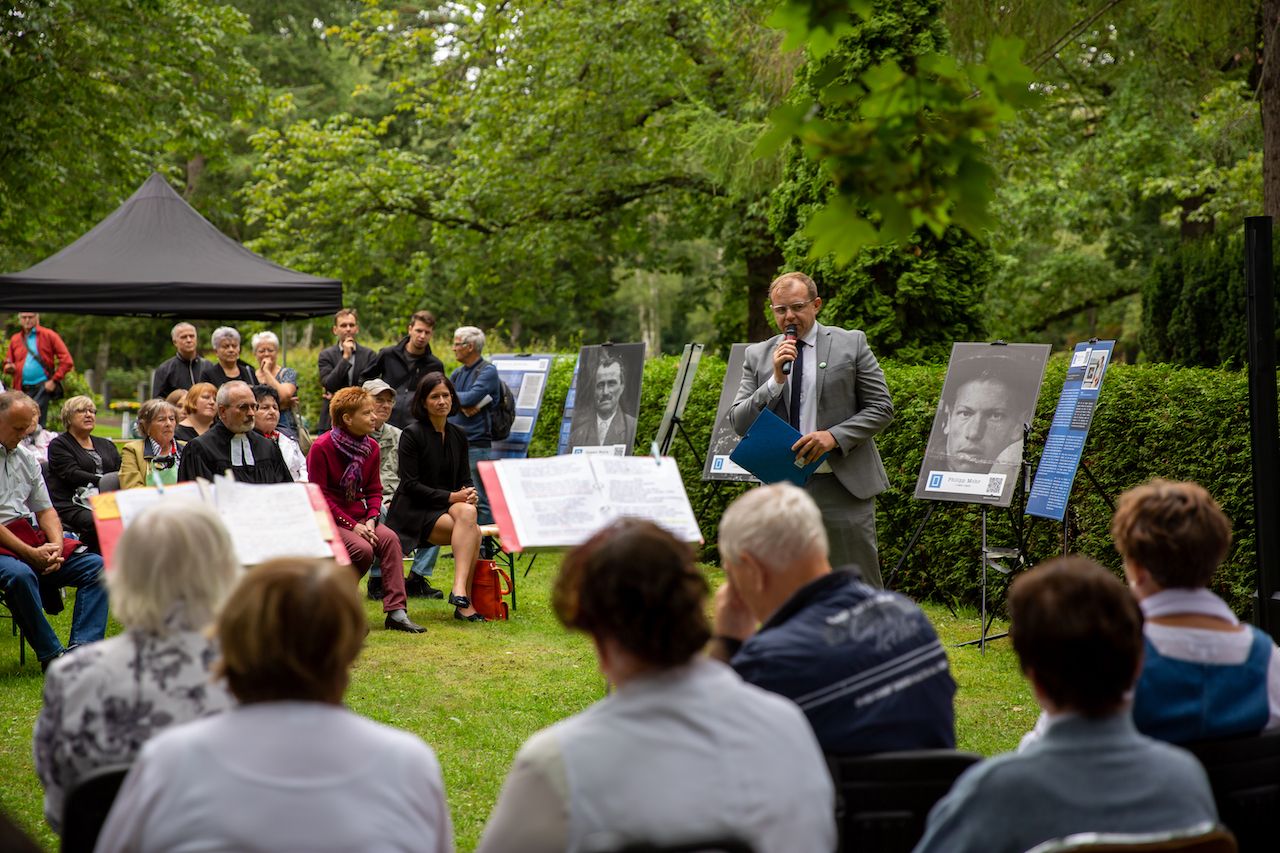
W. Gauks: To illustrate the demand and expediency of this approach, one can point to a number of activities carried out in 2025 in direct cooperation with the above-mentioned categories of the capital's population. These initiatives included organizing large-scale actions, targeted gatherings, lively discussions, thematic round tables, specialized seminars and practical master classes.
It is important to note that active participation in them was taken by representatives of both the legislative and executive branches of Berlin, the relevant municipal bodies, as well as the Senate's specialist departments, various institutions, foundations, representatives of public organizations, associations and business circles, and the clergy. Their activities are directly or indirectly connected with processes of social integration, which makes their participation especially valuable and relevant. For that I am immensely grateful to them.
BERLIN24: And more specifically?
W. Gauks: I will mention only some of them, without narrative overviews of content. Each is a separate topic deserving close study and attention. All of them had their specific aims.
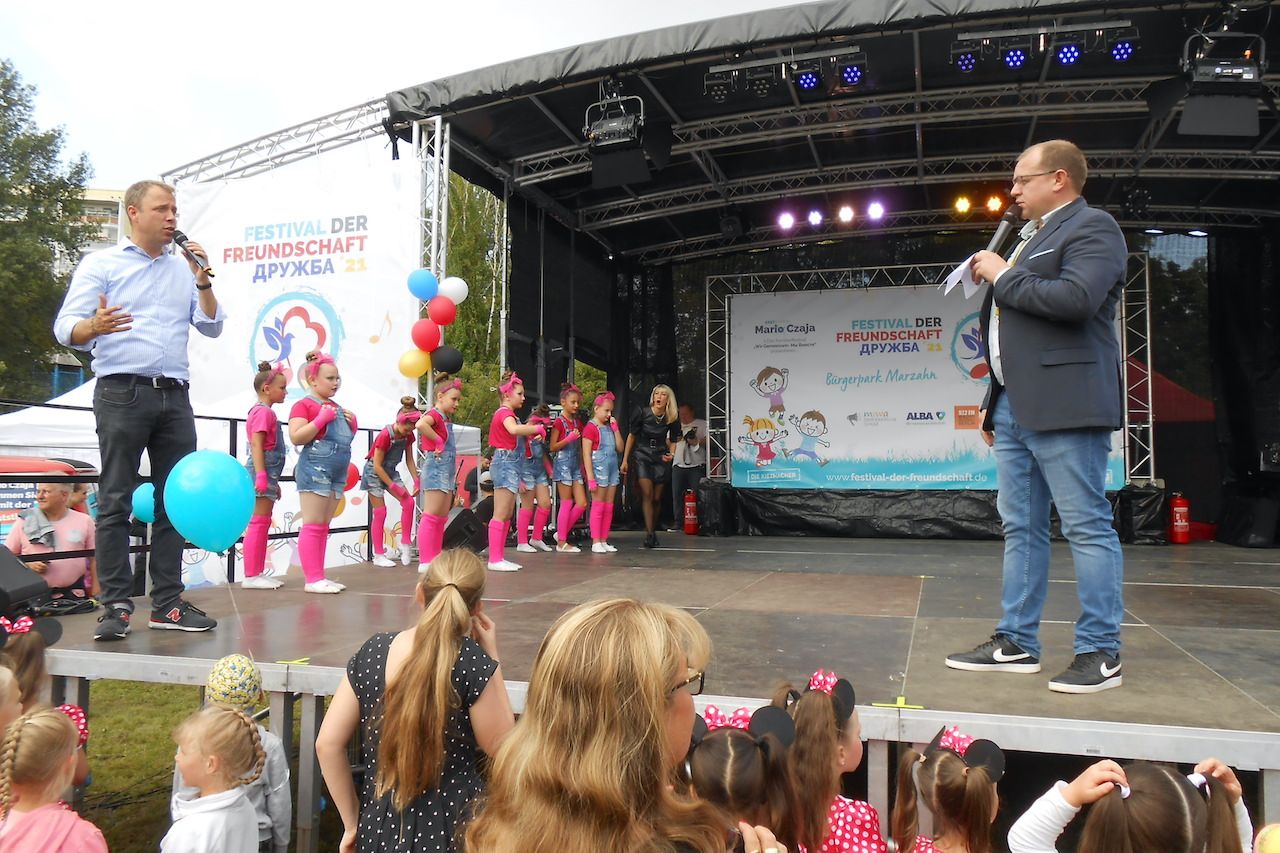
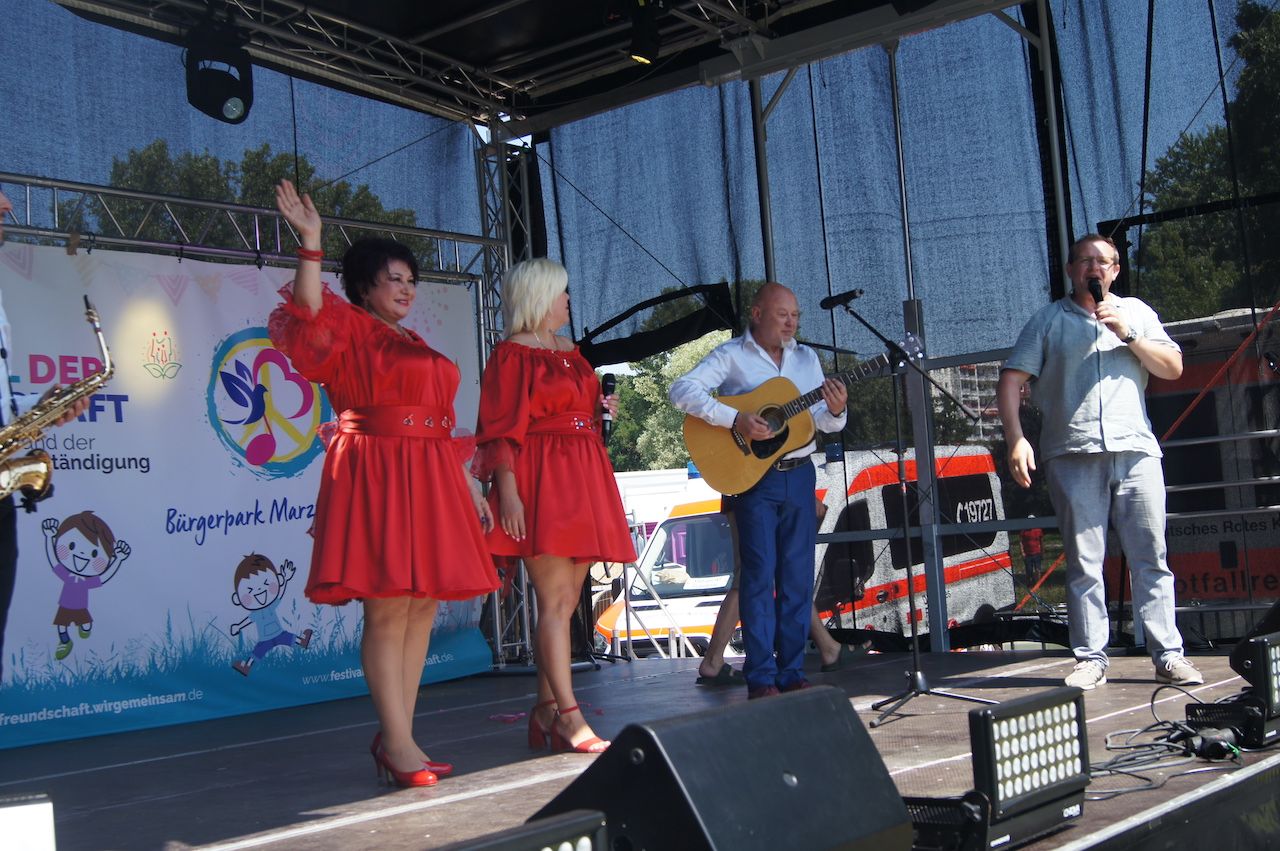
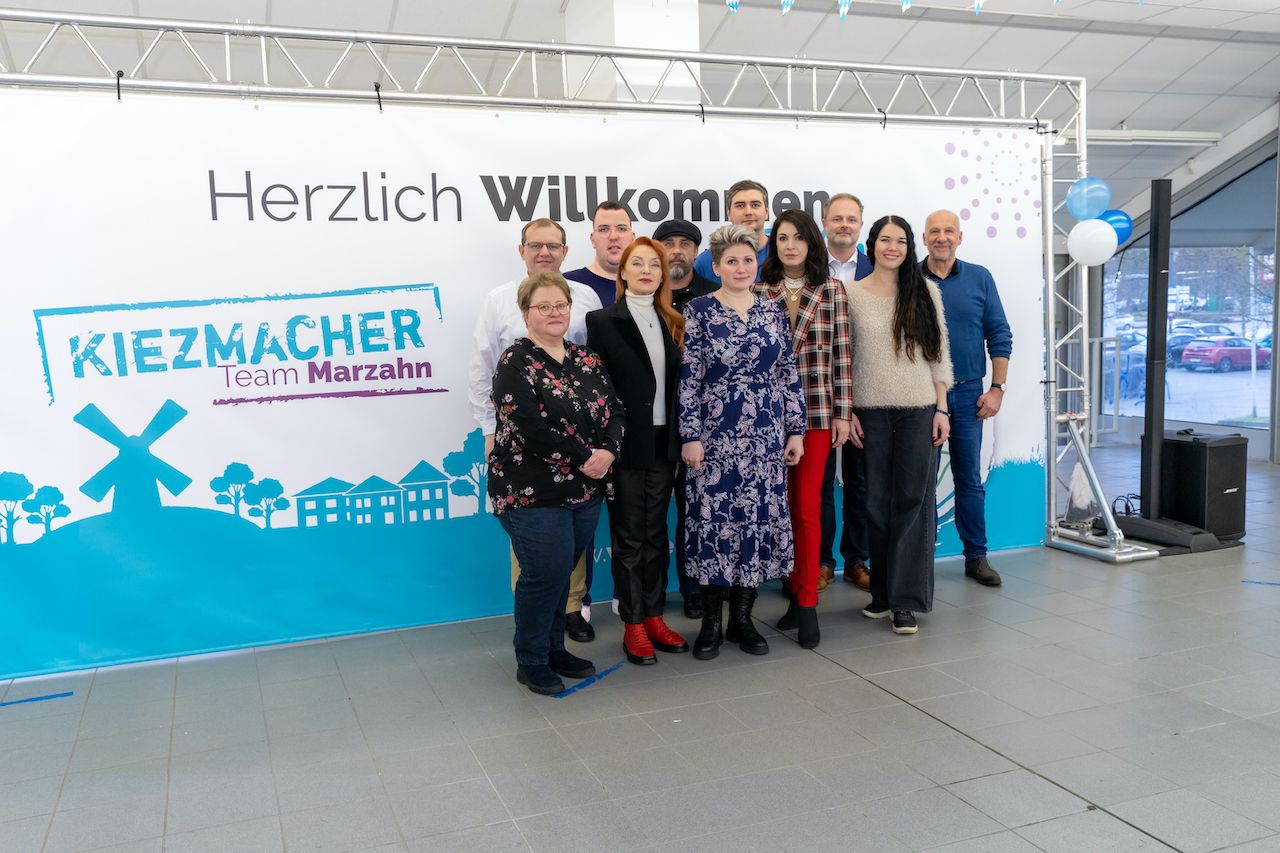
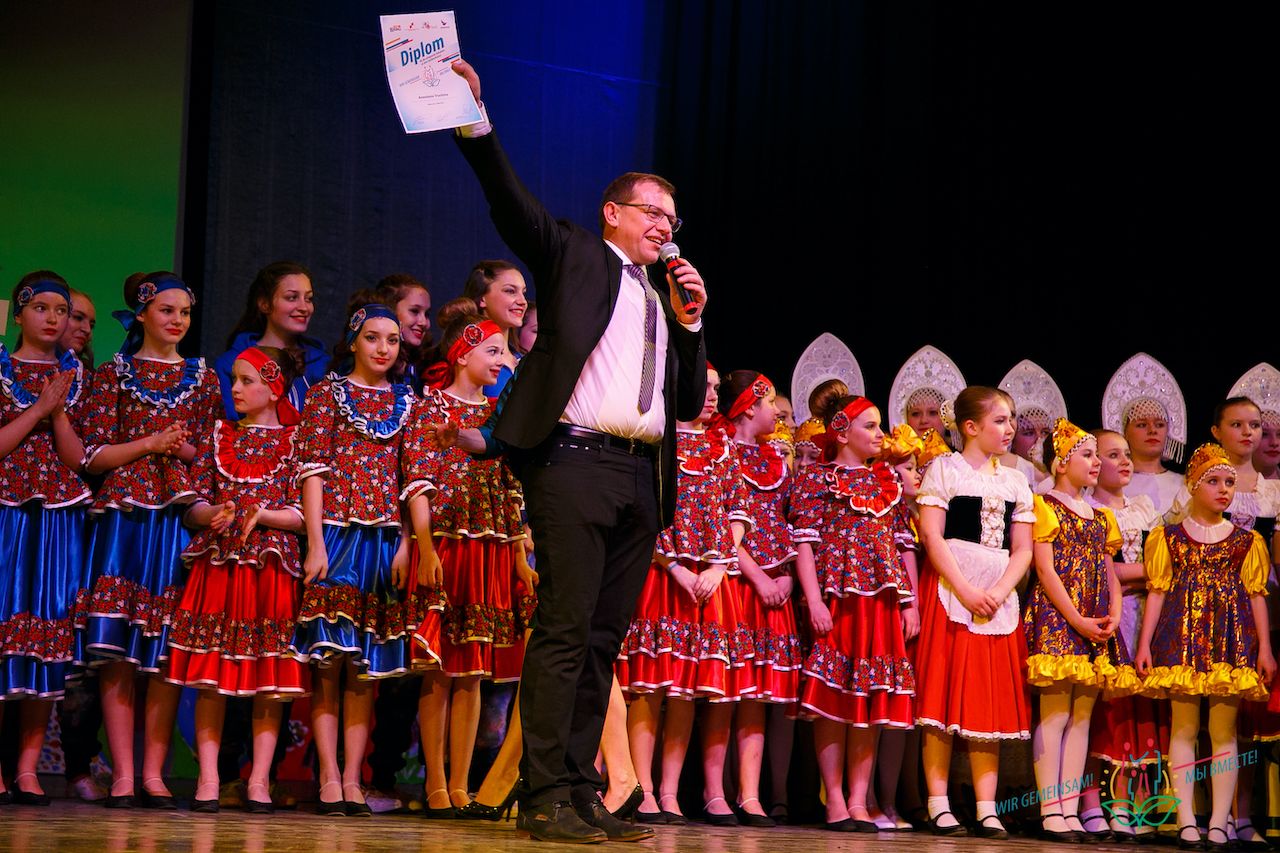
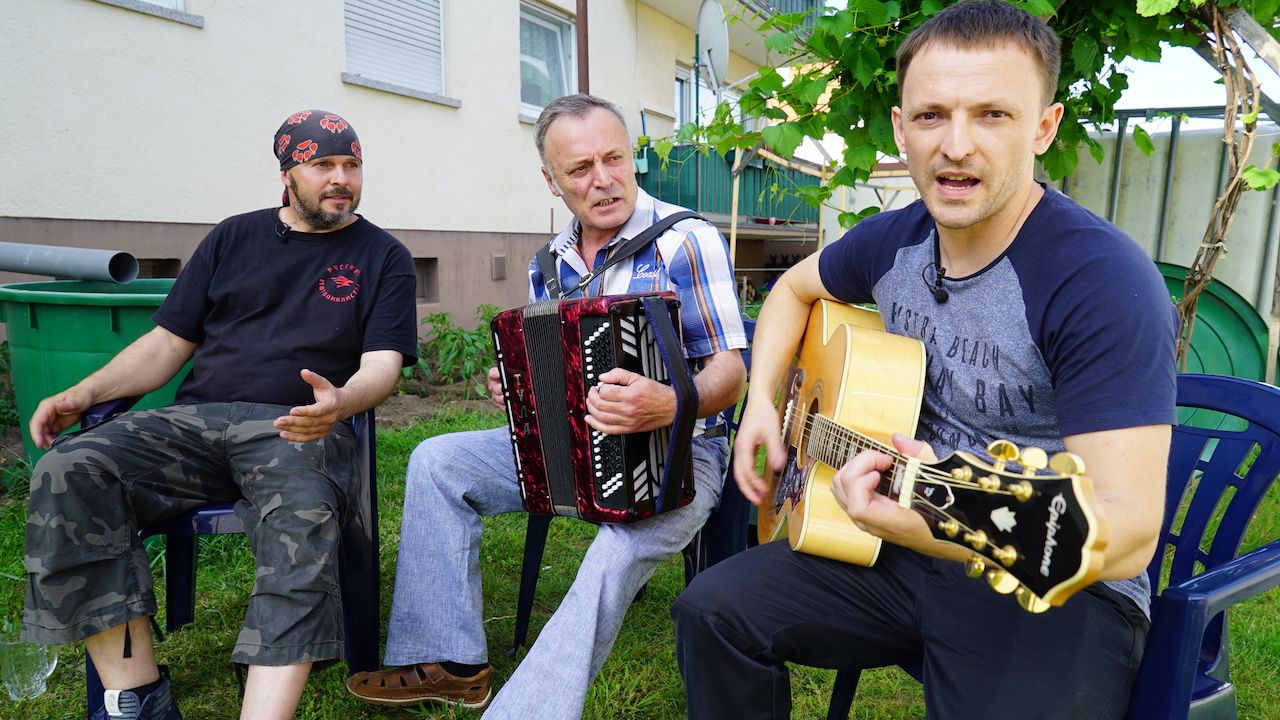
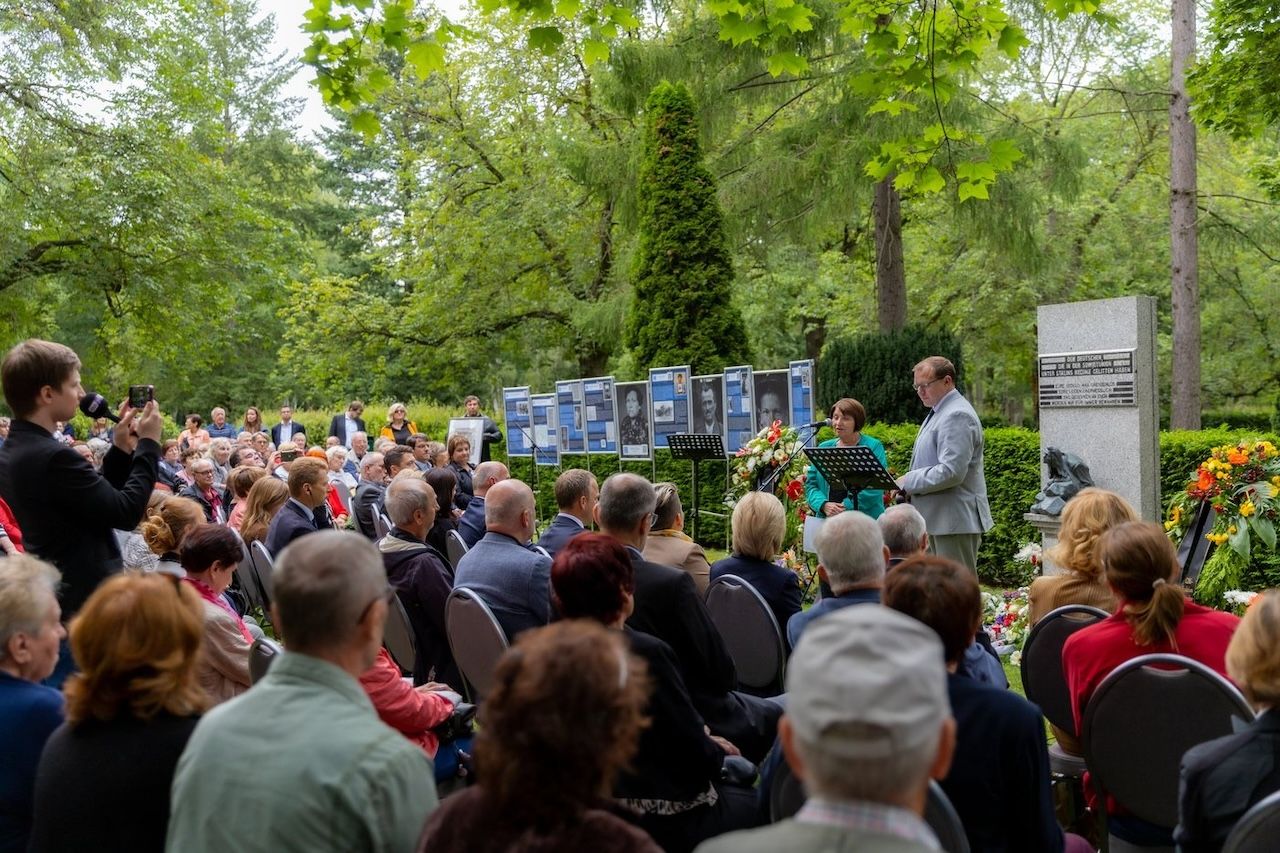
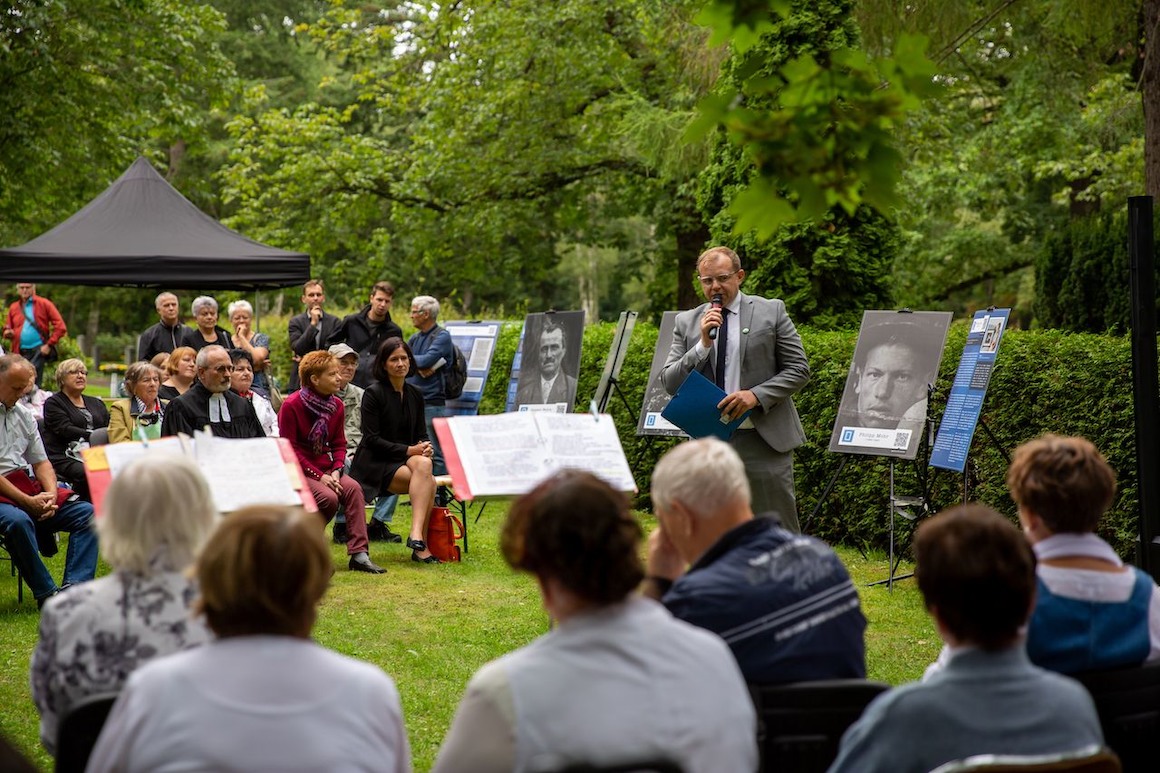
Thus: «Day of Democracy and Social Cohesion» in Berlin; a vivid, substantive cycle of concert and musical events under the general title «Accordion Spring»; an in-depth development of the training curriculum for volunteers for the «helpline» (Russian‑language psychological support service); an original project to collect archival materials for the exhibition «Witnesses of History»; a video project «Culture of Dance – Dance with Me!» (as a form of self-expression of young people's identity); a «Week of Remembrance» for the 80th anniversary of the end of World War II; the theatrical project «Kein Heimweh» («No Homesickness»); three specialized forums («Increasing Perception, Recognition and Participation») dedicated to cultural development, preservation of historical memory, facilitation of labour integration, as well as creating infrastructure for respectful dialogue in society and advisory structures for the capital's citizens on the most urgent life issues.
A whole series of podcasts, including a video podcast, were devoted to studying social phenomena and processes among youth. Based on the personal views and opinions of participants combined with social analysis of their interaction and behavior. It remains only to add that on April 15, within the framework of the next «Day of Democracy and Social Cohesion», a demonstration of the video project provisionally titled «Two Years as the Contact Person» is expected. This will be a kind of report on the work done over the indicated period.
Summing up the above, it can be stated that the work was and is concentrated in three rather generalized vectors of practical effort: «culture, traditions and historical memory», «education, training and employment», «meetings and advisory consultations». Each is characterized by its substantive content. For various reasons a significant emphasis was placed on the formation of new and the improvement of already existing points of «meetings and advisory consultations» in the city's administrative districts. And their number is growing.
BERLIN24: Convincing. It seems a lot has been accomplished…
W. Gauks: And yet, a great deal of serious work remains to be done, much can and must still be improved to achieve the expected results.
And I would like to note something very important — many of the listed actions and events found their direct «reflection» in conceptually substantive publications produced at a high professional level on BERLIN24. For that I thank all portal staff with sincere warmth.
BERLIN24: We cannot ignore the topic that directly concerns Russian Germans living in Germany. Lately there has been a clear trend of a reduction in media publications that contain scepticism, distrust, and sometimes poorly concealed critical irony toward this category of the population. What is your opinion on this?
W. Gauks: On this matter I will express a strictly personal point of view, which one may agree with or contest. As it seems to me, it is impossible for years to constantly, formulaically «drum up» and publicly display unjustified and frivolous negativity toward any social group. In this particular case — toward Russian Germans. Without solid knowledge of their worldview, cultural roots and the fateful, thorny stages of their history. Ignoring these circumstances, historical factual truths inevitably and objectively leads, on the whole, to rejection and to the readership's non-acceptance of such publications. And often to antipathy toward their authors…
BERLIN24: And specifically? In this case applied to Berlin.
W. Gauks: Allow me to offer the following thought — to a large extent, a defining role in the reassessment of this media attitude in Berlin was played by a deep, interested understanding of the difficult fate of Russian Germans, a sense of solidarity with them, and an awareness of their role and potential significance for German society. This position was actively supported by both the legislative and executive bodies of the federal state of Berlin. Such an approach, without doubt, deserves the most sincere respect and high public recognition. In this context, much still needs to be perfected and brought to life. I will emphasize once again — without trust, cohesion and mutual respect it seems very difficult to unite and involve citizens in the development of constructive interaction on an equal and mutually beneficial basis in the interests of the whole society.
BERLIN24: What is the quintessence of the upcoming activity in the current year?
W. Gauks: In short: comprehensive and active involvement of Russian Germans, late repatriates and forcibly displaced persons in all spheres of society. Based on providing equal and unobstructed opportunities to access public goods, creating conditions to achieve a high social status, ensuring a dignified position in old age, and guaranteeing equality in the process of labour market integration. In other words, all this, taken together, implies legal and social recognition of their status. And, of course, further active development and substantive improvement of the existing projects and programs in this field that I mentioned earlier.
BERLIN24: Thank you for such an informative conversation. We look forward to future communications and meetings with you. All the best and good luck!
W. Gauks: I, for my part, am grateful to you for our meeting and am always open to further dialogue.
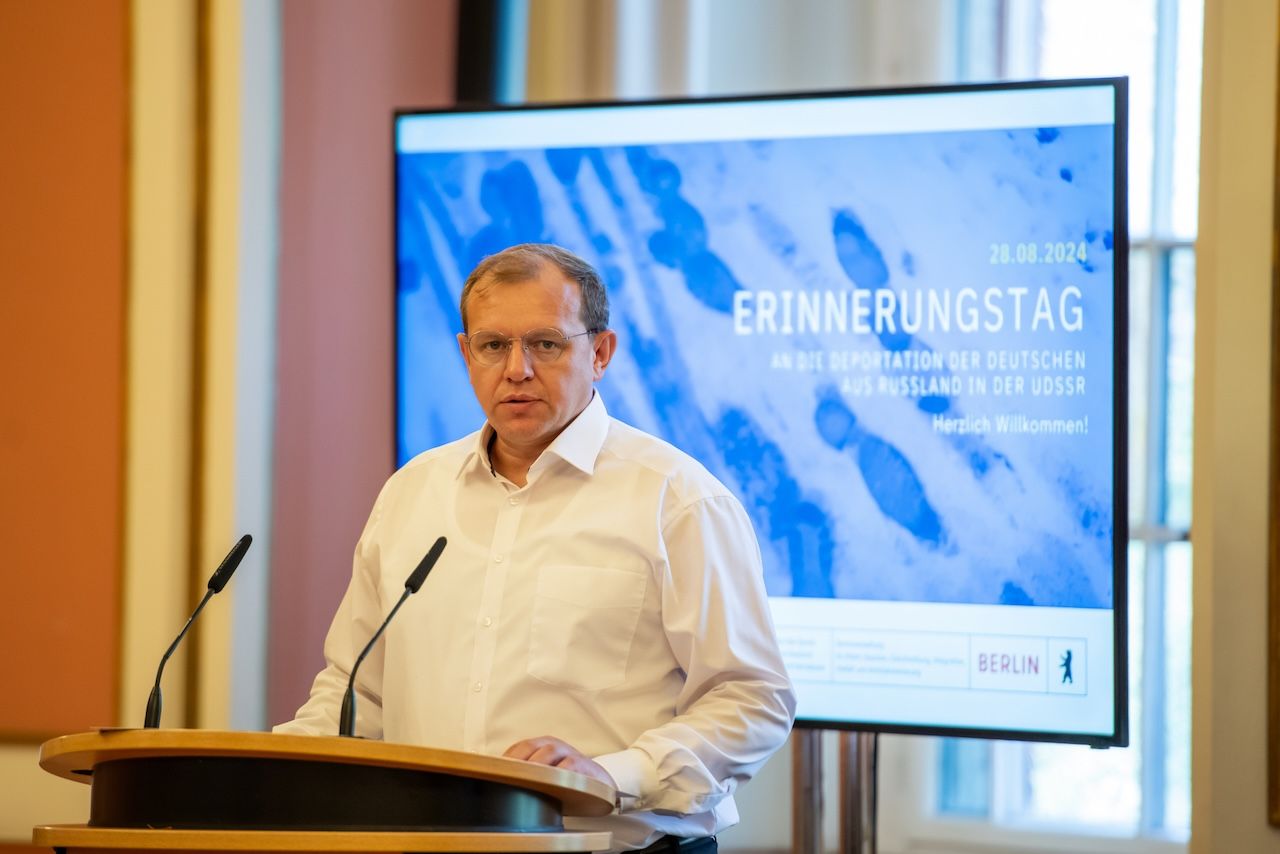
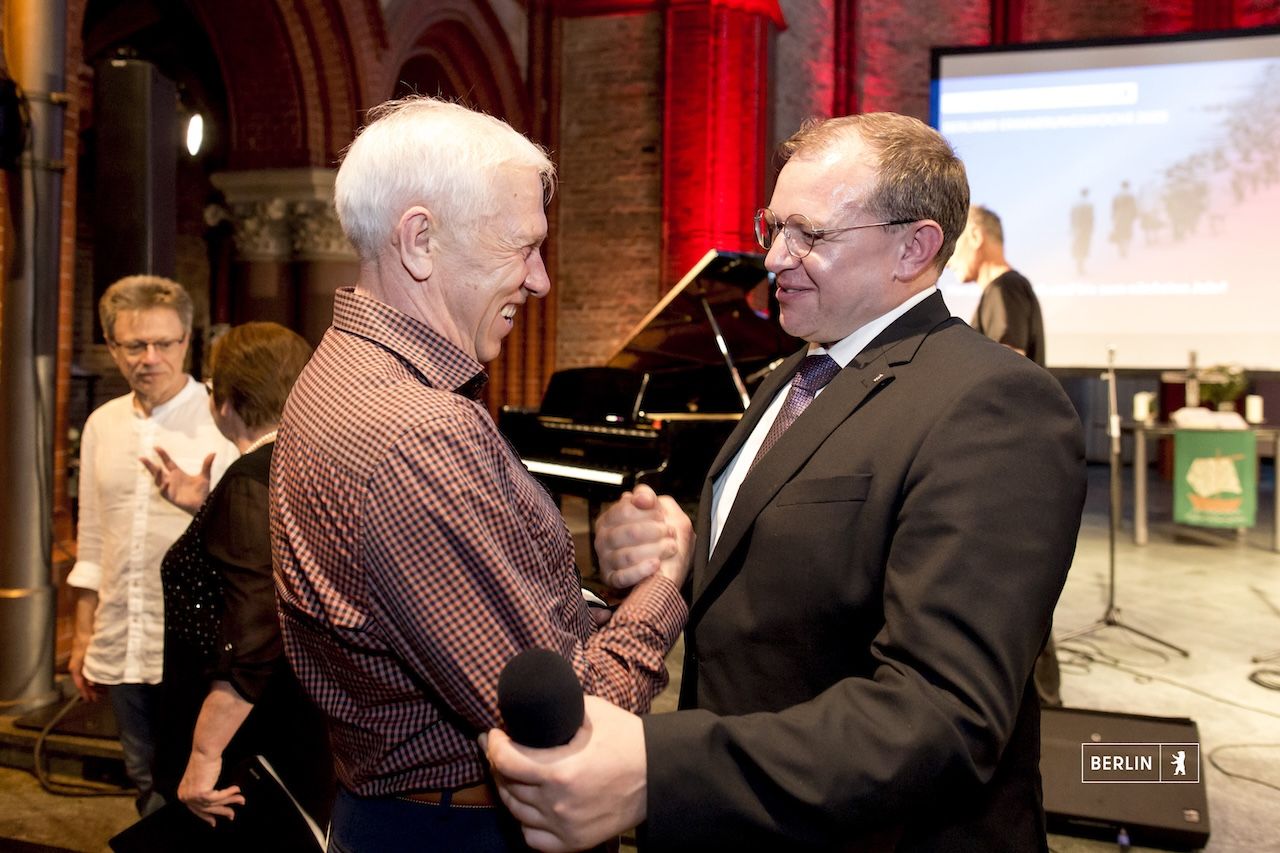
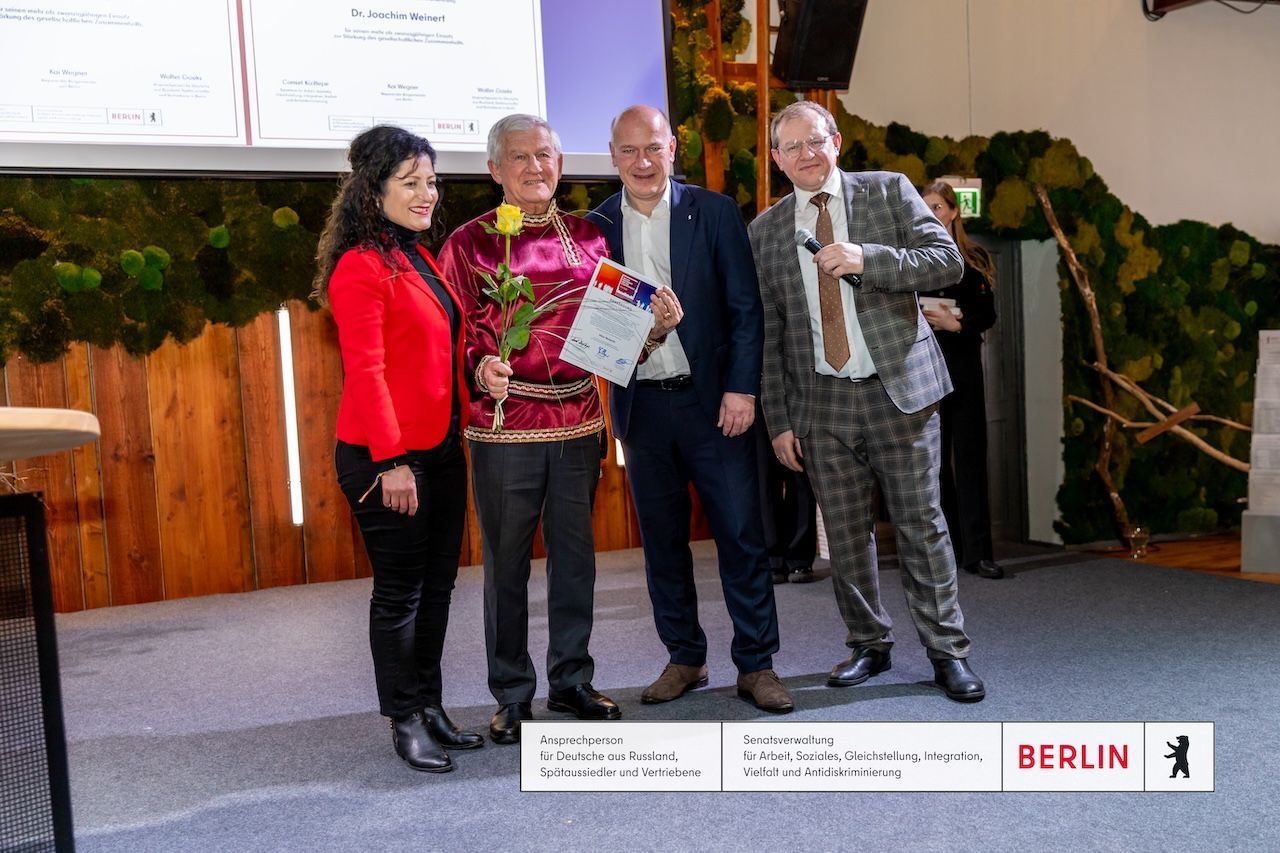
Photos from the archive of V. Gauks and BERLIN24
Tags: Walter Gauks Berlin , Russian Germans Berlin , Russian Germans in Germany , Germans and refugees , We together , Russian Germans in Siberia , Russian Germans , Volga Germans , Fates of Russian Germans , Traditions of Russian Germans , Walter Gauks , Interview with Walter Gauks , Walter Gawks Commissioner of the Berlin Senate , Late repatriates Berlin Germany , Integration of Russian Germans in Germany Berlin , Russian Germans in Berlin public projects , Support for late repatriates Berlin , Projects for Russian Germans Berlin , Social programs for resettlers Berlin , Public events of Russian Germans Berlin , Cultural projects of Russian Germans Germany , Historical memory of Russian Germans Germany , Cultural heritage of Russian Germans Berlin , Support for the Russian-speaking community Germany , Social support for resettlers Germany , Role of Russian Germans in German society , Public activity of Russian Germans Berlin
Categories: Latest