




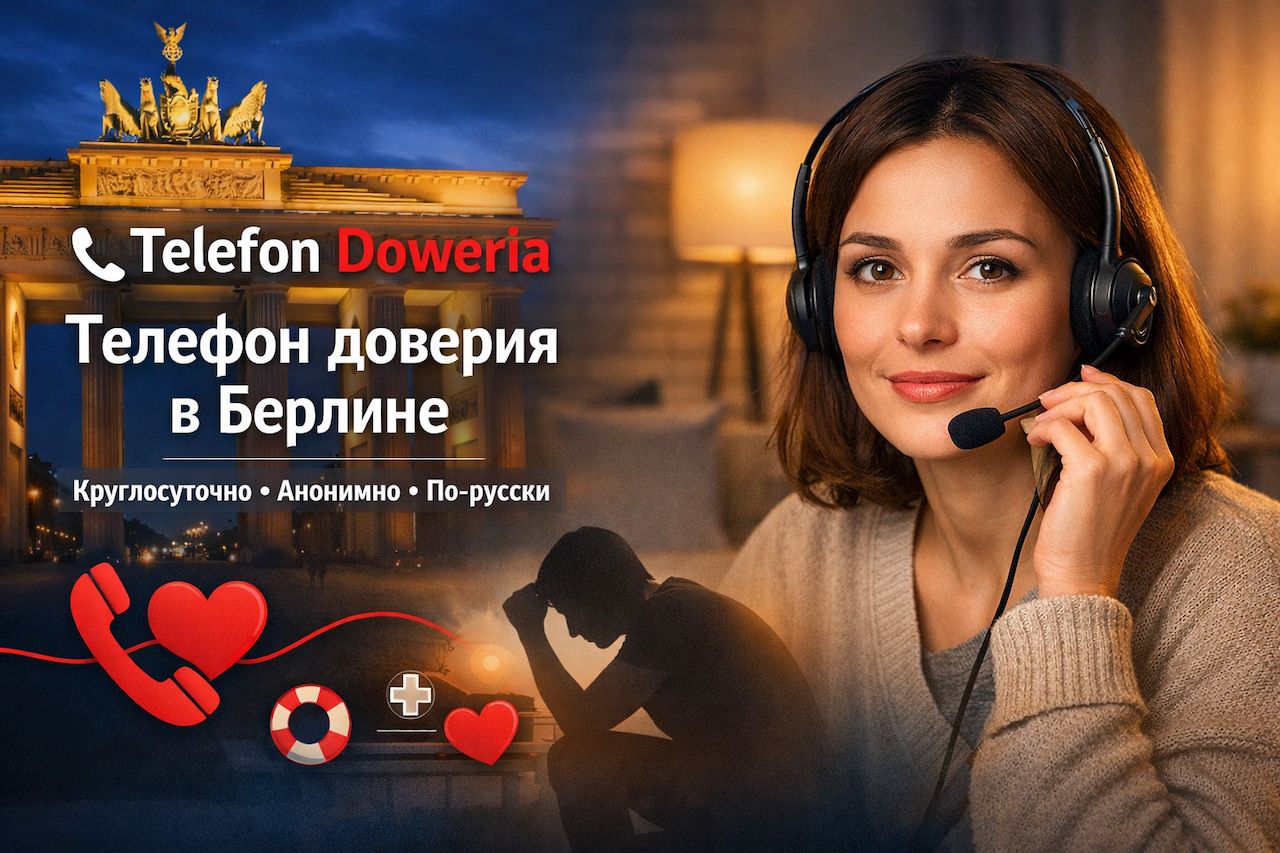
The Russian-language “Trust Hotline” remains in demand …
When the term “trust” is used, positive associations most often arise in the imagination of almost everyone: honesty, reliability, sincerity. It is the feeling that there is a person nearby whom one can confidently rely on in any situation and whose loyalty is beyond doubt.
From a psychological perspective, “trust” also includes a cognitive component – we are confident in a person, we know that they treat us kindly, with emotional warmth, and wish us only good. In most cases, we are ready to follow their thoughtful and competent advice and recommendations, recognizing their relevance in a wide variety of life situations.
Remote emergency psychological support services, operating in many countries, are designed to provide moral, emotional, or spiritual support to both individuals and groups of people regardless of their social status. Most often, this assistance is needed in situations of heightened stress: during conflicts, stress, depression, or difficult life circumstances.
In different countries, these services may be called by different names: “trust hotline,” “lifeline,” “crisis line,” “hotline,” “help line,” “hope,” “outstretched hand,” or “spiritual support.” The variety of names reflects their broad accessibility and adaptation to the diverse needs of people requiring urgent assistance. At the same time, their core principles are confidentiality and anonymity.
In Berlin, there are numerous organizations providing psychological support and spiritual assistance to all residents without exception. These include, among others, the Berliner Krisendienst, Frauenkrisentelefon, Kinder- und Jugendnotdienst, Berta, TelefonSeelsorge Berlin e.V., Muslimisches Seelsorge Telefon, Hilfetelefon sexueller Missbrauch, Nummer gegen Kummer…
Among them, the Russian-language Telefon Doweria in Germany occupies a distinct and important position.
It was established and operates with the support of the Diakonisches Werk Berlin-Brandenburg-schlesische Oberlausitz e.V. and the Senate Department for Science, Health and Care (Senatsverwaltung für Wissenschaft, Gesundheit und Pflege): +49 30 440 308 454.
Website: https://diakonie-portal.de/
The head of the Russian-language Telefon Doweria project in Berlin is Tatiana Michalak – a certified social psychologist of the highest qualification level, a graduate of the Faculty of Psychology at Saint Petersburg State University, a supervisor, and a specialist in conducting group training sessions and individual practical work in the field of therapeutic psychocorrection. She speaks about some of the specific features of this project in an interview.
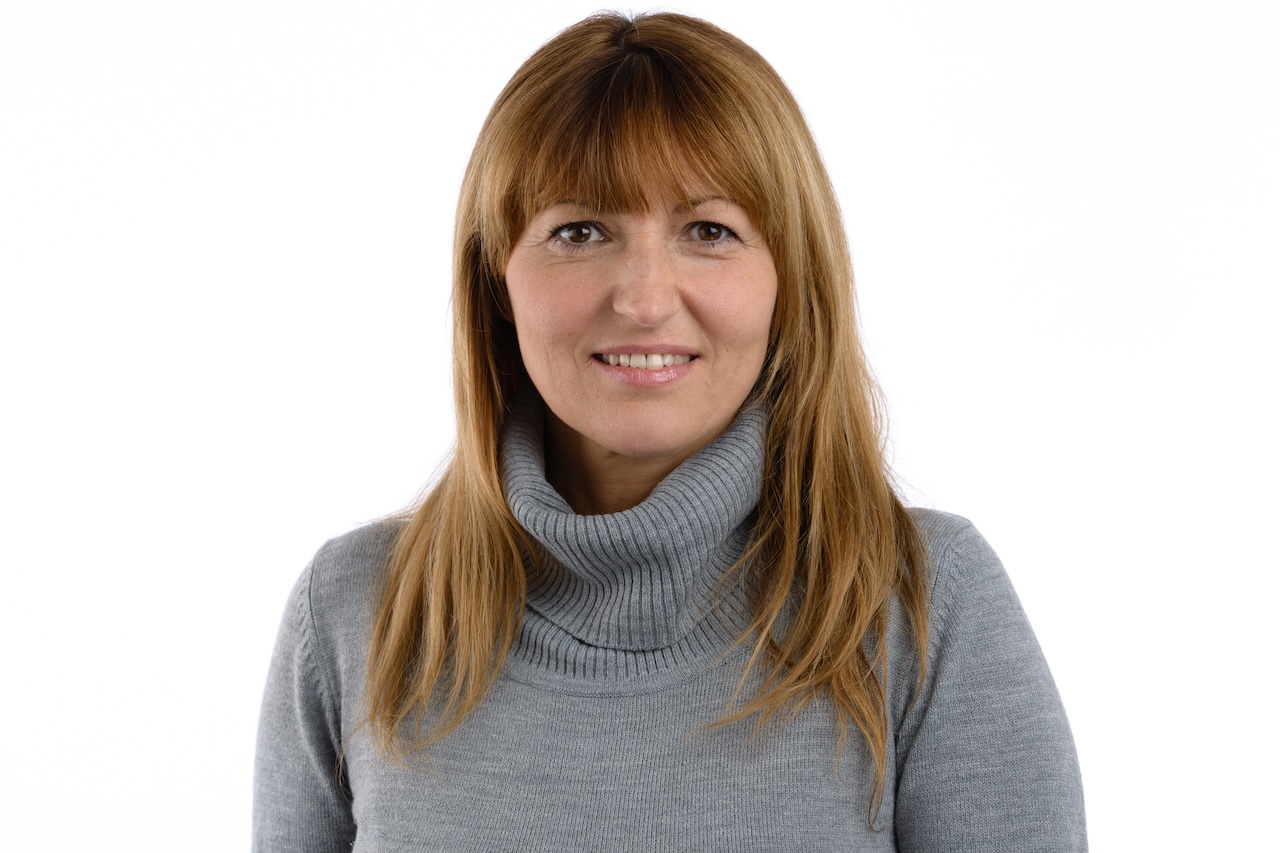
BERLIN24: For many years, the Telefon Doweria project in Berlin, operating in Russian, has rightfully enjoyed an impeccable reputation and broad recognition — not only in Berlin. Is it difficult to maintain such a high standard of remote psychological support?
Tatiana Michalak: Telefon Doweria was founded in 1999 based on a simple yet profound idea — no one should be left alone with their pain. We wanted to create a place where everyone could hear words of support, feel warmth and hope, even when “darkness reigns all around.” Especially in the context of emigration, it is extremely important to have access to support in one’s native language. This project became possible thanks to belief in its purpose and the support of communities, organizations, and individuals who shared our mission.
Yes, maintaining such a high standard is not easy. There are challenges — both organizational and financial. But what unites us is the conviction that every call is an opportunity to change someone’s life, to restore strength and self-belief. That is what inspires us to move forward despite obstacles. We know that we are doing important work.
In this regard, I would like to emphasize the comprehensive support of the Commissioner of the Berlin Senate for Russian Germans, late repatriates, displaced persons, and refugees, Walter Gauks, as well as the practical assistance of the Senate Department for Science, Health and Care, and the funding provided by the Diakonisches Werk Berlin-Brandenburg-schlesische Oberlausitz e.V.
BERLIN24: How did it all begin? What served as the initial “impulse” for creating such a project?
Tatiana Michalak: We all witnessed numerous crises, hardships, and difficult situations faced by people living in Germany who come from countries that were formerly part of the Soviet Union — challenges that we ourselves also experienced. Very often, people encounter serious difficulties integrating into German society. This, in turn, can and often does lead to psychological discomfort and prolonged depressive states.
That is precisely why the main goal of our trust hotline is to provide people with the opportunity to share their experiences and problems in a language they are comfortable with, to find possible ways to resolve them, or at least to “ease” the difficulties they are facing.
BERLIN24: What are the most common reasons why people contact Telefon Doweria? Can these requests be categorized in any way?
Tatiana Michalak: The reasons for calling are very diverse, but they all share one thing: the person finds themselves in a situation where they need support and understanding. Most often, these are loneliness, feelings of isolation, family conflicts, relationship problems, experiences of loss, anxiety, depression, as well as stress related to emigration and adaptation to a new country.
It can be said that these are not just “topics,” but reflections of deep human pain and the need to be heard. We do not divide calls into “important” and “less important”: behind every call there is a story, a destiny, emotions. Our task is to help a person find support, regain hope, and understand that they are not alone. And of course, tension in society and in the world as a whole exacerbates mental instability and psychological illnesses and disorders.
BERLIN24: Are there any predictable factors related to the season of the year, days of the week, or holidays and working days that clearly influence an increase or decrease in the number of calls to your service?
Tatiana Michalak: Yes, we do observe certain patterns. The number of calls can vary depending on the time of year, the day of the week, and even holidays. For example, the autumn and winter period is traditionally more stressful: short daylight hours, cold weather, and feelings of loneliness increase anxiety and depressive states. In spring, due to vitamin deficiencies and the flowering season (allergies), the number of calls related to physical and psychological discomfort also increases.
Before major holidays such as New Year or Christmas, the number of calls also rises — this is a time when expectations of happiness and family warmth strongly contrast with the reality of loneliness or conflict. On weekdays, people more often call with work-related stress, adaptation difficulties, or unemployment issues, while on weekends calls more often come from those who feel a particularly acute lack of communication.
These factors help us better plan our work and be prepared for peak loads, because behind every call there is a living person who needs support precisely at that moment.
BERLIN24: Quite often, people who need psychological support consider it shameful or inappropriate to turn to outsiders in difficult life situations. What should be done in such cases?
Tatiana Michalak: This is indeed a very common problem — many people believe that asking for help is “shameful” or “inappropriate.” But we always say: asking for support is not a weakness, it is a strength. It is a step toward preserving oneself, one’s health, and one’s future.
We try to convey that talking to a psychologist or counselor is not an admission of defeat, but an act of self-care. Sometimes just one phone call is enough to feel relief, see the situation from a different angle, and find the strength to move forward.
Our specialists work in a way that ensures people feel respect, confidentiality, and safety. We do not judge or criticize. We listen and support. And it is very important to remember: no one is obliged to cope with pain alone. Seeking help is everyone’s right.
BERLIN24: It is clear that people working in trust services are usually those who truly know how to listen and understand. Often, they are also individuals who have experienced difficult situations themselves. How is this aspect addressed in the Telefon Doweria project?
Tatiana Michalak: You are absolutely right: trust services rely on people who do not merely listen, but truly hear — with attention, warmth, and respect. This is the foundation of our work. We provide structured training for our staff. The volunteer training course lasts six months and takes place once or twice a month on Saturdays and Sundays, for a total of seven weekends. Participation in the training is regulated by contract. After the basic training sessions, participants are introduced to the practical work of the trust hotline. The training is conducted in groups of approximately 16–20 people in a workshop format. Sessions are led by professional trainers and psychologists from the trust hotline. Participation in the course is free of charge.
An absolute requirement for working at Telefon Doweria is confidentiality. Because volunteer training is closely connected with practical experience, participants sign a confidentiality agreement at the very beginning of the course. This agreement remains valid even if a volunteer later decides not to continue participating in the project.
Certain prerequisites and skills are required to take part in our project. The training process and the work itself are often associated with emotional and physical stress.
The following qualities are essential for working as a counselor:
Resilience. During shifts, counselors may hear stories that are deeply distressing, such as cases involving suicide. Sometimes calls address issues that are personally relevant to the counselor. It is not always possible to immediately consult a specialist for psychological support. Due to confidentiality requirements, counselors often have to process these experiences internally. Calls from people with mental health disorders are also part of the work.
Empathy. Many callers have worldviews that differ from those of the counselor. Some avoid open communication and try to keep their distance, even though they need help. Therefore, it is important to remain calm, even when personal beliefs are challenged. Counselors must be able to put themselves in the caller’s position and understand their emotions.
Self-awareness. Counselors at the trust hotline are not merely listeners, but active participants in the conversation. This means that they inevitably bring their own experiences into the interaction. In certain cases this can be helpful, but more often it is not appropriate. Therefore, it is essential that counselors are aware of and can reflect on their own emotions. We expect all participants in the training group to be willing to talk about themselves and to accept feedback and criticism from other group members.
Ability to work in a team. Counseling does not mean giving advice. Counseling at the trust hotline means recognizing the individuality of the caller and jointly seeking a way out of a problematic situation. To develop this skill, training is conducted in group settings. Group work involves mutual assistance, support, and constructive peer feedback.
Openness to religious topics. Telefon Doweria is not a religious organization. However, some callers wish to discuss issues related to faith and religion. We do not expect our staff to have religious knowledge, but we do require tolerance toward religious beliefs and respect for another person’s faith, even if it contradicts one’s own worldview.
In the second half of the training course, participants begin practical work under the guidance of experienced mentors. After successfully completing the training and subsequent practice phase, volunteers are allowed to take shifts independently.
For active volunteers, we conduct monthly supervision sessions. Constant exposure to difficult life situations often leads to psychological burnout. Supervision is designed to help our staff prevent this.
In addition, we offer ongoing professional development throughout the year. When funding or sponsorship is available, we also organize off-site training sessions. These allow for deeper engagement with specific topics and thorough exploration. Off-site practical seminars are particularly valuable, as they enhance group dynamics and, in turn, increase staff motivation.
BERLIN24: What are the most distinctive features of the Russian-language Telefon Doweria?
Tatiana Michalak: The main feature of the Russian-language trust hotline is the opportunity to talk about what truly matters in one’s native language — without barriers and without fear of being misunderstood. For many of our callers, this is not just a matter of convenience, but a vital necessity: when a person is experiencing a crisis, it is easier to express feelings and pain in their mother tongue.
In addition, we take into account cultural characteristics, traditions, and values that are familiar to our community. This helps create an atmosphere of trust and understanding, where a person can feel “at home,” even while being far away from their homeland.
Another unique aspect is that we operate around the clock, because crises do not follow schedules. People can call at any time — and hear a voice of support. This is especially important for people with mental health disorders, when medical offices are already closed. In such moments, we help reduce psychological tension, prevent escalation, and restore a sense of safety.
It is important to note that there are no other comparable Russian-language projects of this kind in Germany. This makes our mission even more significant: to be there when it is especially difficult, and to give hope to those who feel alone.
BERLIN24: Practice shows that emergency psychological support by phone often helps ease emotional suffering, reduce emotional tension, and return people to a more stable state of life. What are the ultimate outcomes of Telefon Doweria in this sense?
Tatiana Michalak: For us, “outcomes” primarily mean people who feel better here and now. We work around the clock, and in every call we aim to achieve three key results: reducing the intensity of the crisis, restoring a sense of safety, and connecting the person to further assistance if needed — medical or social. In practice, this means easing emotions during the conversation, jointly developing a brief safety plan, and discussing steps to take after the call. When necessary, we gently and carefully refer callers to appropriate specialized services.
We regularly conduct anonymous analyses of calls, without disclosing any personal data. Among the indicators we pay particular attention to are calls in which the feeling of hopelessness is alleviated by the end of the conversation. During the call, suicidal risk and psychological pain decrease for most people, and the effect often persists in the following weeks — confirming that timely conversation can change the trajectory of a crisis.
A key foundation of our work is reducing distress and suicidal tendencies at the moment of contact, as well as the benefit of subsequent interactions. We continue to improve our methods in order to support not only the “here and now,” but also the next steps a person takes toward sustainable help. And finally, our most important indicator is the feeling that a person is no longer alone. When medical offices are closed, when the night feels longer than it is, there is always a living voice on the other end of the line, helping to get through that moment, release tension, and find a “path to the morning.”
BERLIN24: What are your plans for the near future?
Tatiana Michalak: Today, we are seeing a noticeable increase in requests for psychological help and support, for a wide range of reasons. We are doing everything possible to be there for everyone who needs us. However, it is clear that the need to expand our activities is becoming increasingly urgent.
This cannot be achieved solely through the selfless work of volunteers. Adequate material and financial resources are necessary to strengthen the project and make it even more accessible to people in crisis. Securing these resources is one of the key priorities of our upcoming work, alongside the development directions already outlined. Because the more opportunities we create, the more lives we can support.
BERLIN24: We wish you success in this vital and socially important work!
Tatiana Michalak: Thank you very much!
Photo: from the archive of T. Michalak
Tags: psychological support Berlin , crisis hotline Berlin , Russian-language support hotline , mental health help Germany , anonymous psychological help , emergency psychological support , crisis support Berlin , mental health services Berlin , support for migrants in Germany , psychological help for Russian speakers , emotional support hotline , 24/7 psychological support , free psychological counseling Berlin , help with depression Berlin , help with anxiety Germany , crisis intervention hotline , confidential mental health support , social support Berlin , help in difficult life situations , mental health assistance Germany , stress support hotline , suicide prevention support Berlin , emotional crisis help , telephone counseling Berlin , psychological help by phone , crisis helpline Germany , support for expats Berlin , mental health crisis line , trauma support hotline , psychological first aid Berlin
Categories: Latest
